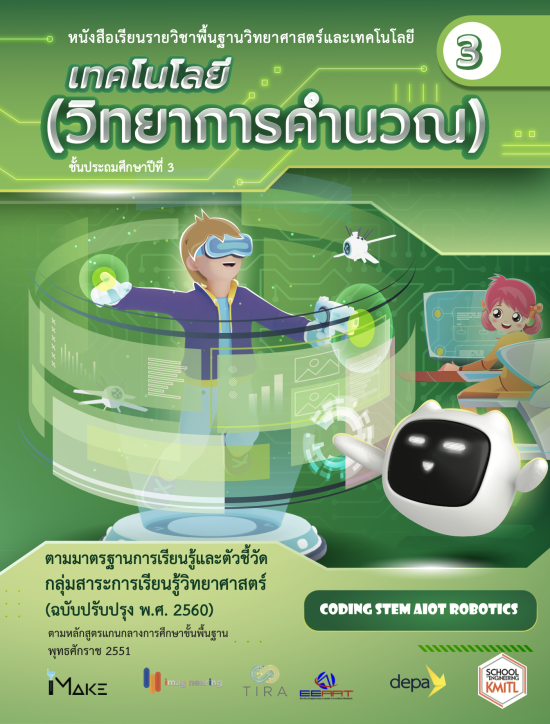
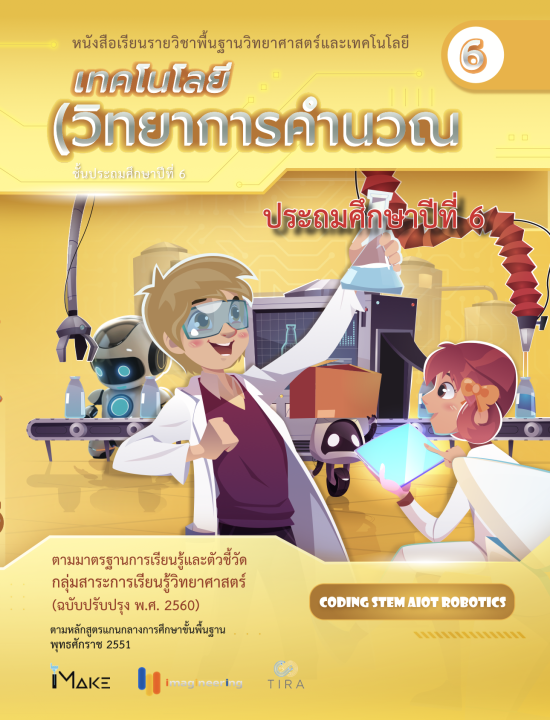
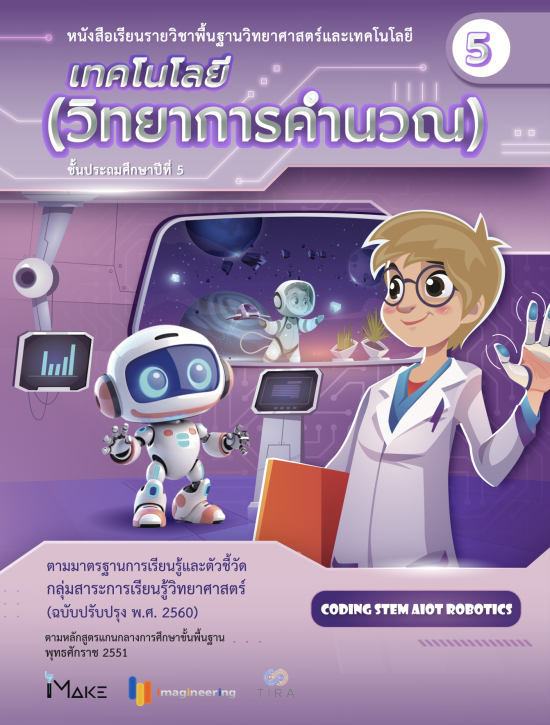
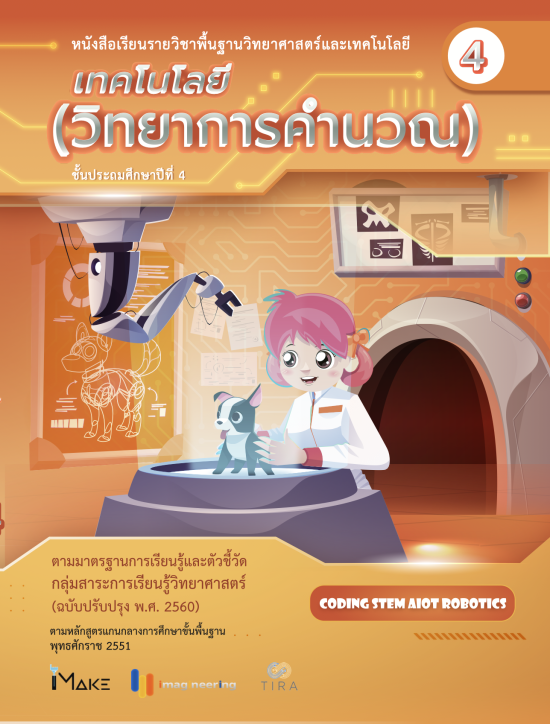
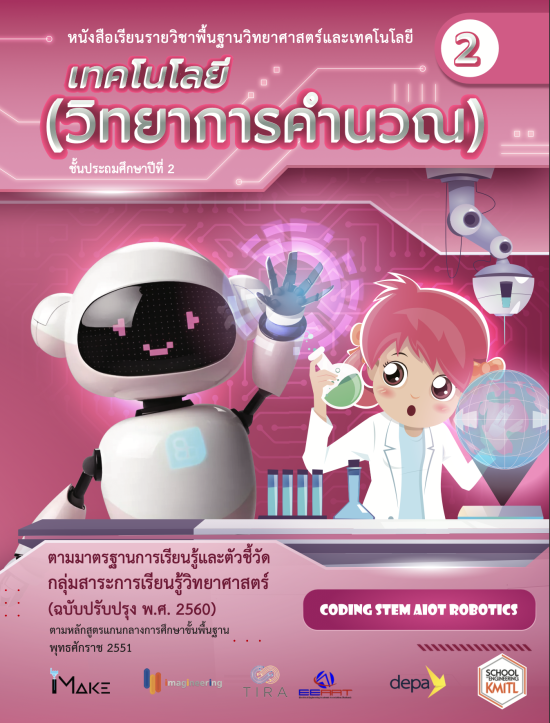
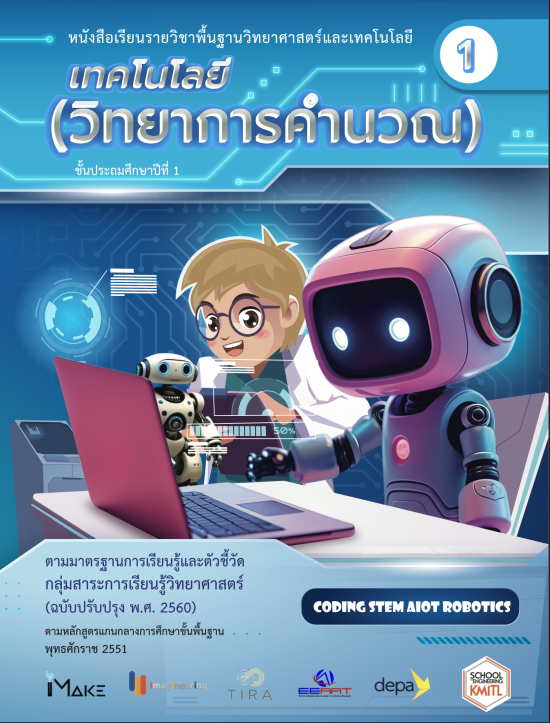
Technology (Computational Science), Grade 3
quantity : 1201 Items in stock
Category : Early Childhood Level Books, Elementary School Books, Grade 3
Book Information
Book Title
Technology (Computational Science)
Grade Level
Grade 3 (Primary Level)
Book Type
Core Subject Textbook – Science and Technology Learning Area
Curriculum Standards
Developed based on learning standards and indicators of the Science Learning Area under the Basic Education Core Curriculum B.E. 2551 (2008), Revised Edition B.E. 2560 (2017).
Book Concept
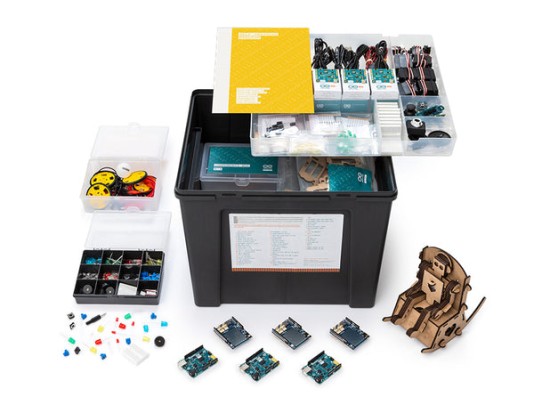
Coding • STEM • AIoT • Robotics
Book Objectives
This book is designed to develop Computational Thinking and digital technology skills for Grade 3 primary students. The learning approach emphasizes hands-on activities and analytical thinking to build a strong foundation in technology and innovation.
Students will develop essential skills such as:
-
Logical thinking and problem solving
-
Problem analysis and solution design
-
Understanding algorithm concepts
-
Basic programming (Coding) skills
-
Creative and safe use of technology
Learning Management Approach
The learning activities are designed using:
-
Activity-Based Learning
-
Project-Based Learning
-
STEM Learning Approach
-
Problem-Based Learning
Students learn through experiments, educational games, and projects that promote creativity and teamwork.
Table of Contents
Unit 1: Computational Thinking
-
Introduction to simple problem-solving algorithms
-
Pre-learning activity: Algorithm presentation
-
Computational thinking concepts and example problems
-
Activity: Applying computational thinking
-
Activity: Daily routine algorithms
-
Algorithms
-
Activity: Cooking algorithms
-
Methods of algorithm representation
-
Activity: Algorithm for going to the cafeteria
-
Try-it activity: Game algorithms
Unit 2: CODE
-
Programming using software or media and debugging
-
Pre-learning activity: Loop programming
-
Activity: Programming using command cards
-
Activity: Loop programming practice
-
Activity: Debugging practice
-
Creating loop programs
-
Program debugging
-
Activity: Loop programming with Scratch
-
Activity: Debugging programs
-
Introduction to Scratch
-
Example Program 1: Stationary movement
-
Example Program 2: Moving objects
-
Try-it activity: Our Kingdom
Unit 3: Robotics
-
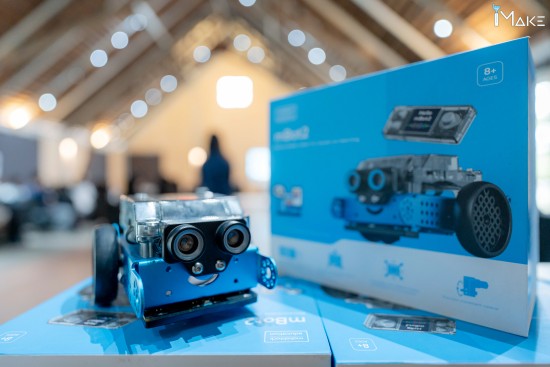
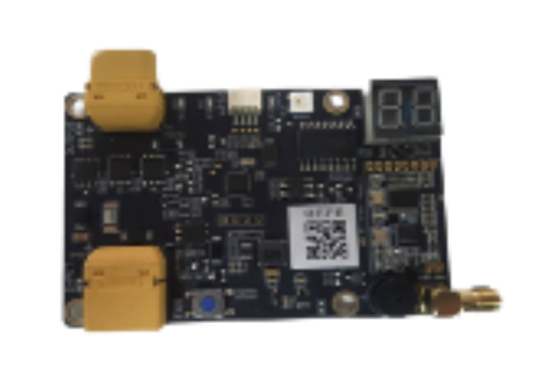
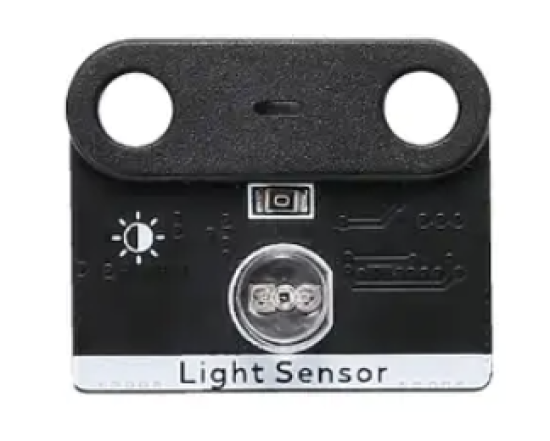
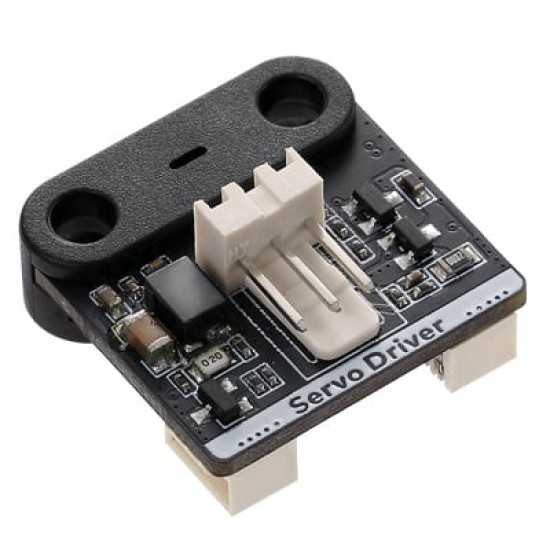
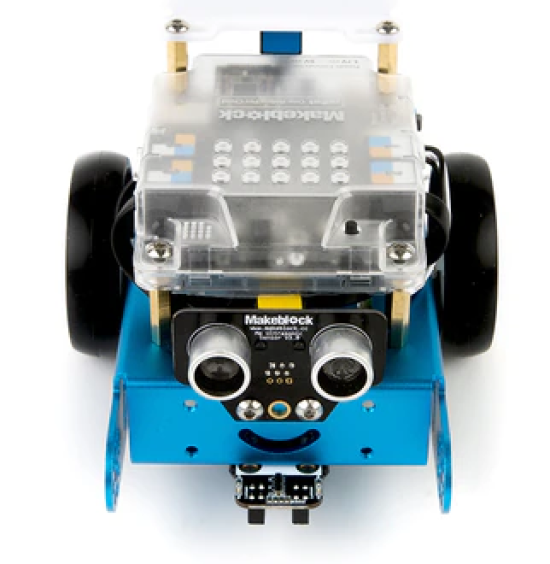
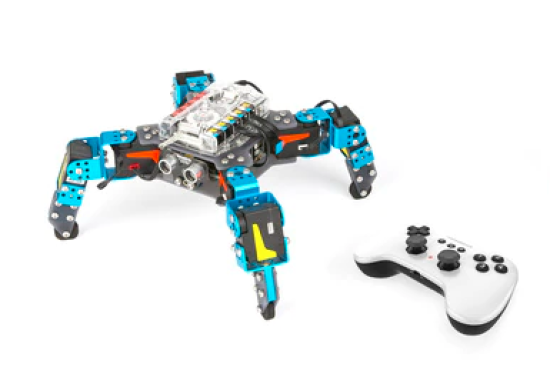
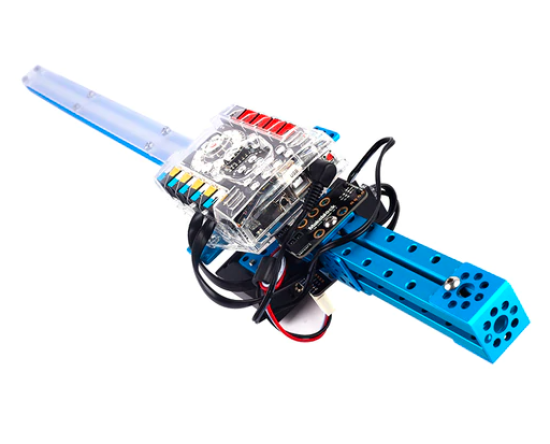
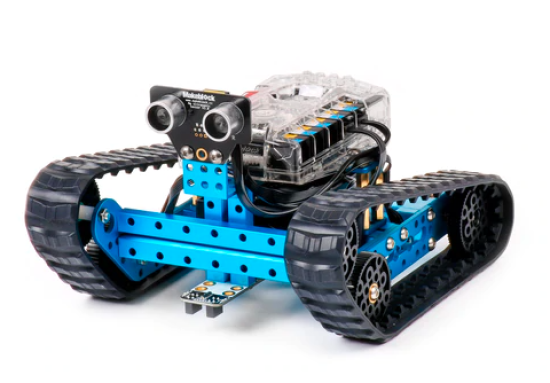
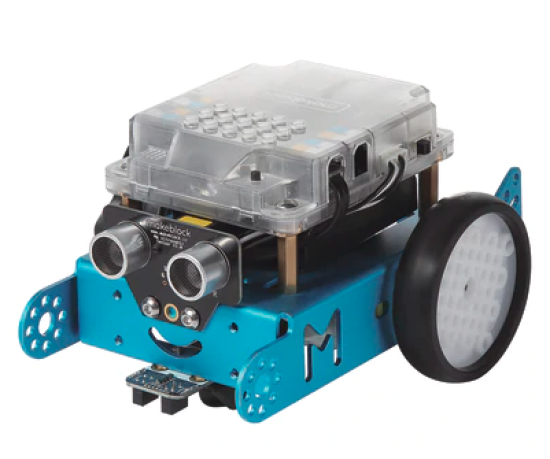
Robotics fundamentals
-
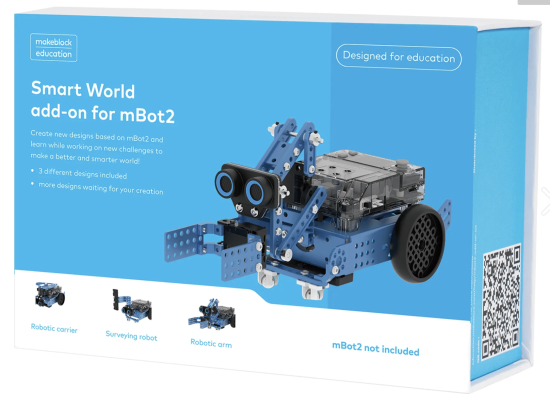
Robot structure and control programming
-
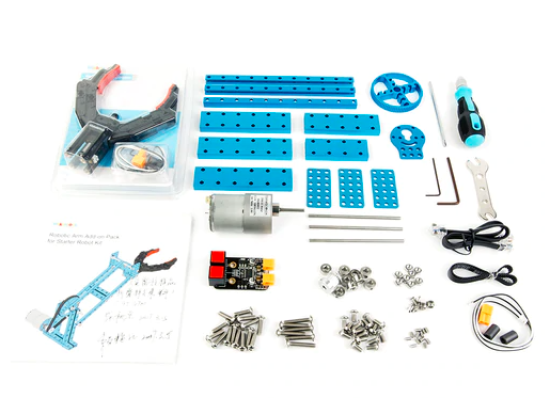
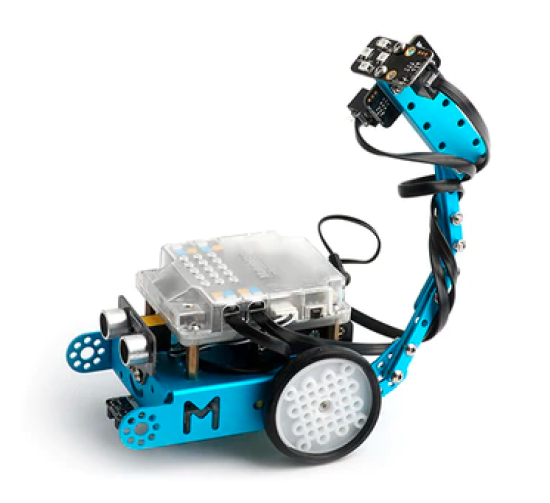
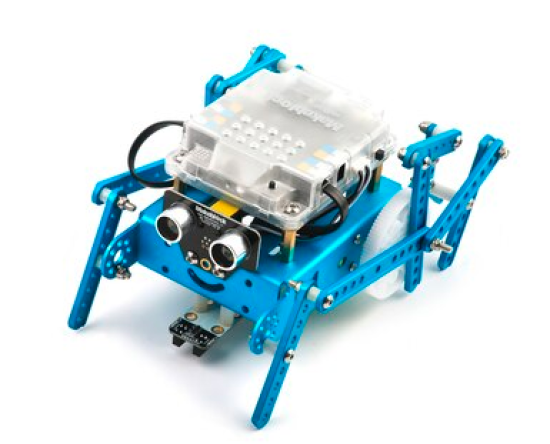
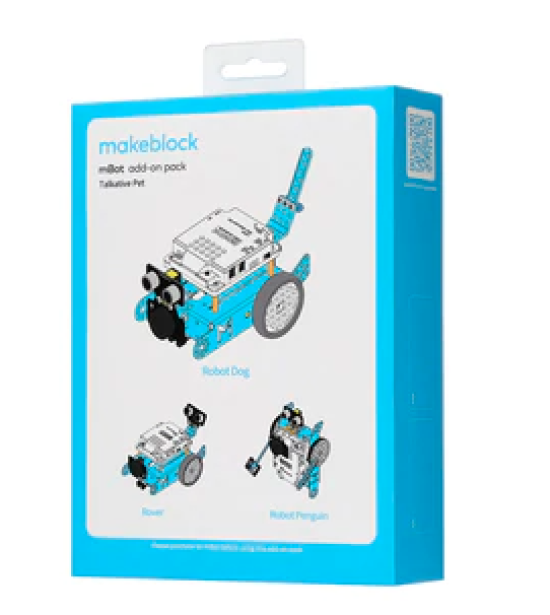
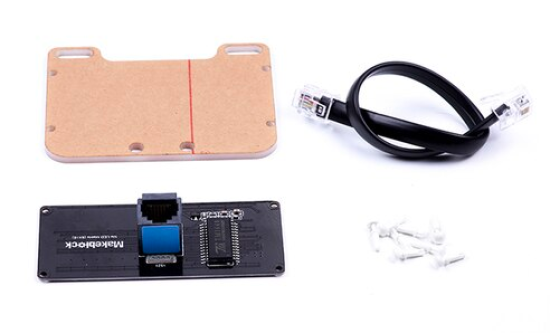
mBlock5 program
-
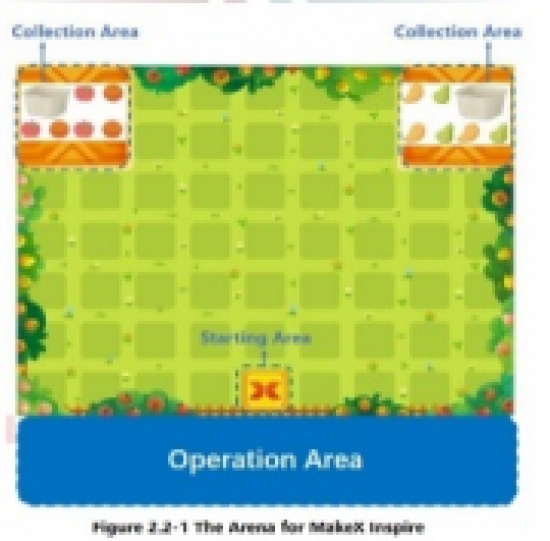
Activity: Controlling a robot to reach a target
-
Activity: Light and sound display
-
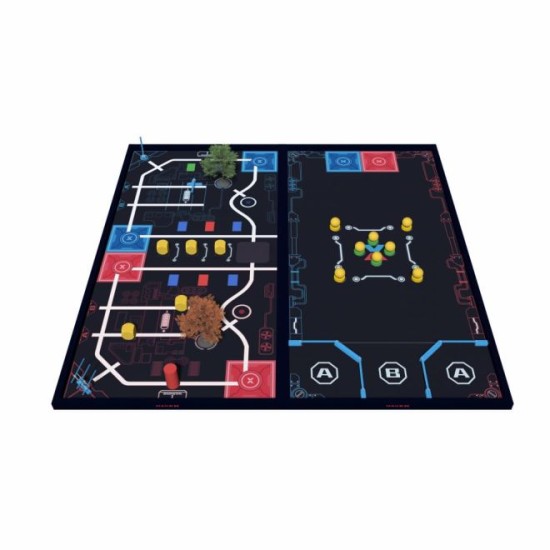
Try-it activity: Zoo Robot Challenge
Unit 4: ICT
-
Using the internet for learning
-
Activity: Internet and its benefits
-
Internet and connectivity
-
Activity: Web browsers, websites, and webpages
-
Searching information on the internet
-
Activity: Safe internet use
-
Activity: Learning through the internet
-
Try-it activity: Evaluating reliable information
-
Safe internet usage
Unit 5: Artificial Intelligence (AI)
Unit 6: Data Collection, Processing, and Presentation
-
Using software for specific purposes
-
Pre-learning activity
-
Activity: Data and data sources
-
Activity: Data collection and surveys
-
Activity: Data processing
-
Activity: Data presentation
-
Activity: Creating fun learning media
-
Using software according to objectives
Unit 7: Digital Literacy
-
Safe use of technology
-
Pre-learning activity
-
Activity: Technology safety practices
-
Activity: Internet usage agreements
-
Activity: What to do when encountering uncomfortable information
-
Activity: Exploring communication software
Associated Organizations
-
IMAKE Innovation
-
Imagineering Education
-
TIRA (Thai IoT Robotics Association)
-
EEAST
-
depa (Digital Economy Promotion Agency)
-
School of Engineering, KMITL
Production Team
Executive Producer:
Manit Jansutthirangkul
Executive Editor:
Bunga Menthong
Academic Content:
Ms. Suthida Jirakanchanakul (Som)
Ms. Ratri Phempoon (Oum)
Ms. Saowalak Raksaat (Mint)
Ms. Sudarat Phanroj (Anna)
Ms. Wannee Sukprasertsilp (May)
Reviewers:
Assoc. Prof. Theerawat Prakobphon
Assoc. Prof. Dr. Tuenjai Achivapanich
Proofreader:
Ingor Wirinit
Illustrations:
Digidea Co., Ltd.
www.shutterstock.com
Art Direction and Layout:
Saddawan Limwech (Ying)
Printed by:
Dansuttha Printing Co., Ltd.
307 Soi Lat Phrao 87, Wang Thonglang, Bangkok, Thailand
Produced and Distributed by:
Imagineering Education Co., Ltd.
138 On Nut Road, Prawet, Bangkok, Thailand
For book, media, or course orders, please contact:
Tel: +66 2-331-2729-30
Kru Neng: +66 86-415-1759
Kru Tik: +66 93-364-6914
Kru Kai: +66 81-642-1776