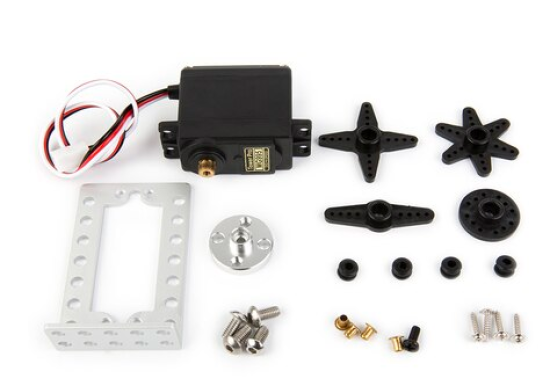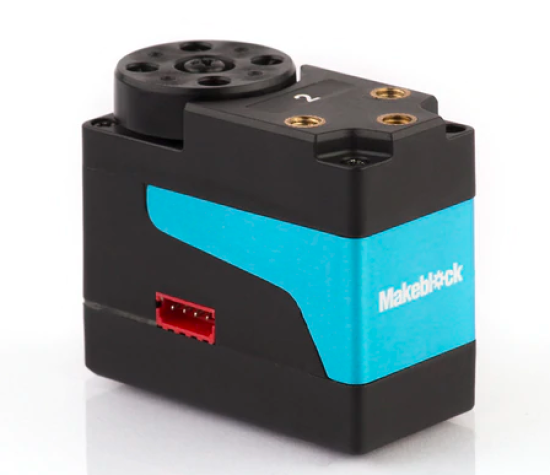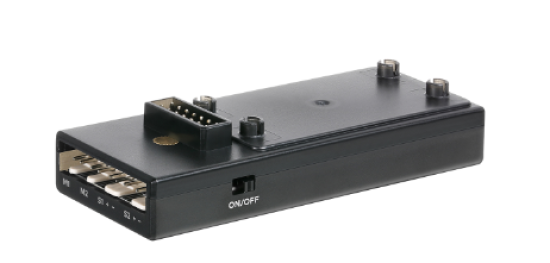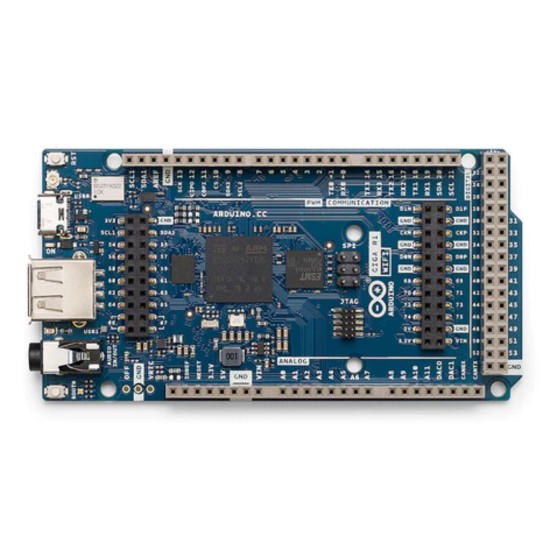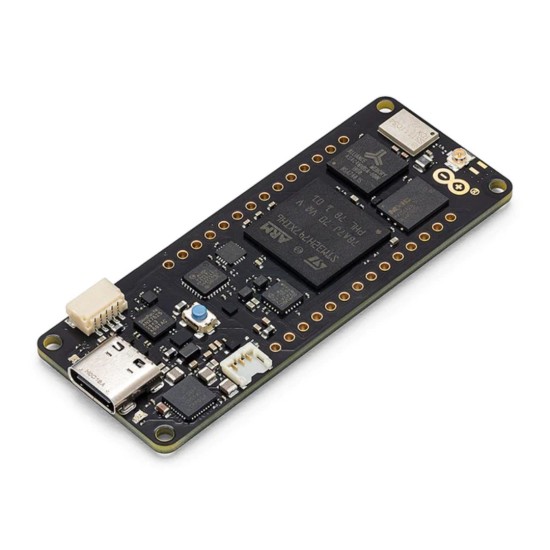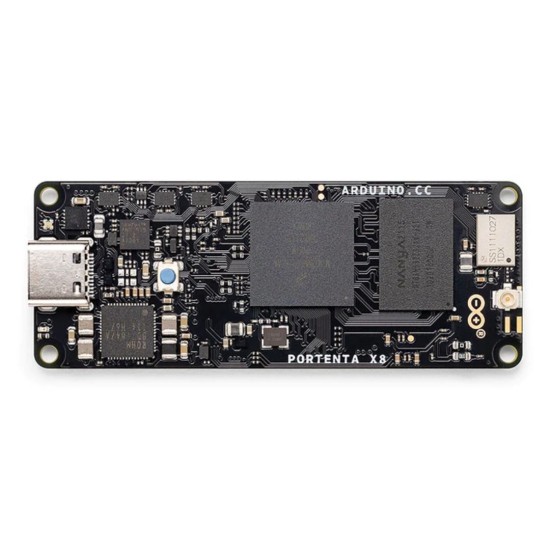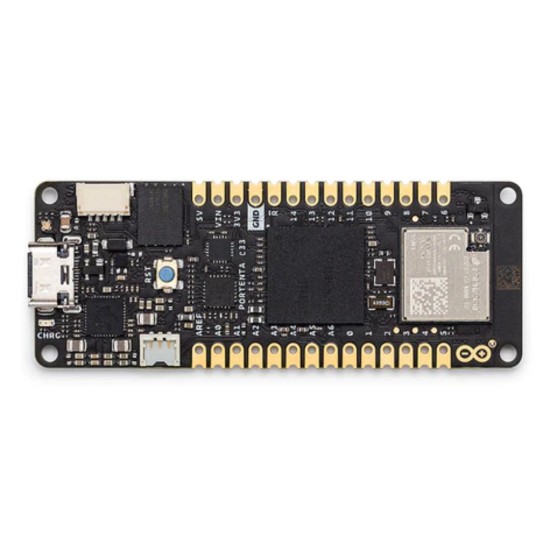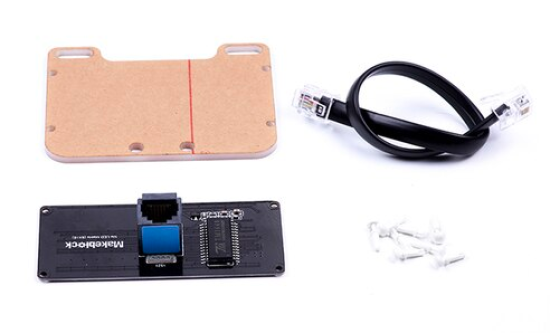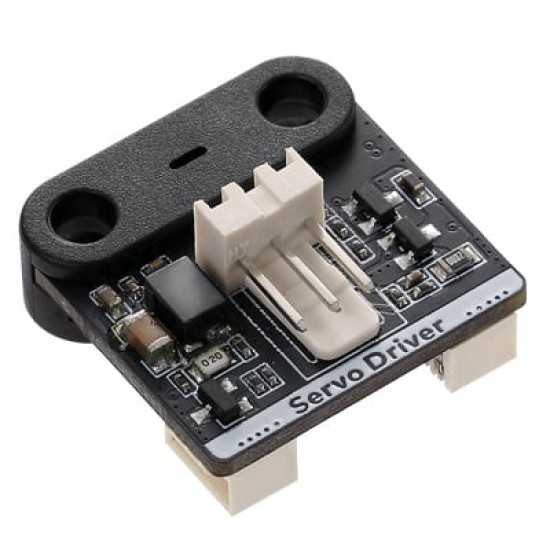
A Servo Driver is a control module or circuit designed to operate servo motors. It generates PWM (Pulse Width Modulation) signals to control the angle, speed, or position of servos. Servo drivers are widely used in robotics, robotic arms, RC vehicles, drones, and automation systems.
Generates PWM signals for servo position control
Controls multiple servos simultaneously
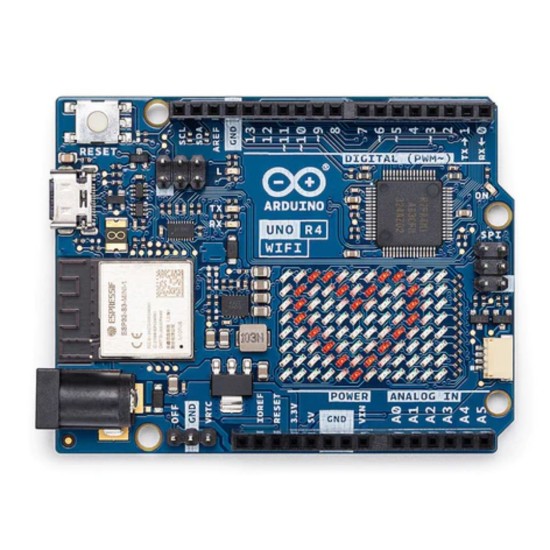
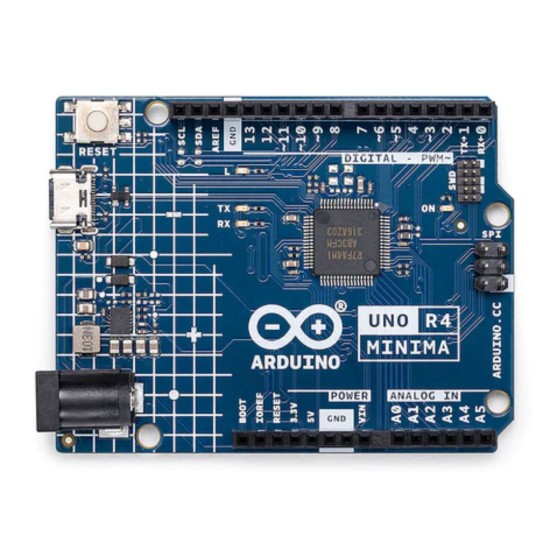
Reduces processing load on the main controller (e.g., Arduino or other microcontrollers)
Provides stable power supply for connected servos (some models include built-in regulators)
Supports 1–16 or more servo channels (model dependent)
Operating voltage typically 5V–7.4V
Communication via I2C, UART, or direct PWM
Typical servo rotation range: 0–180 degrees (servo dependent)
Some models support high-resolution control (e.g., 12-bit PWM)
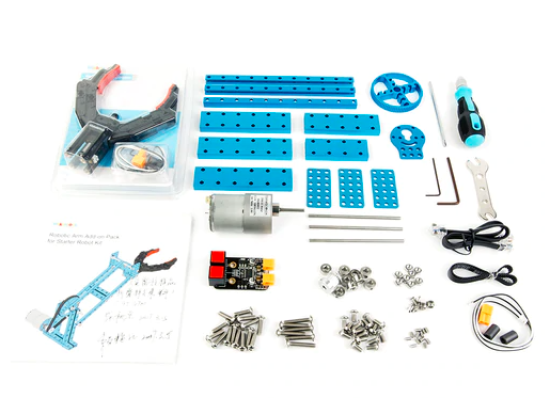
Small industrial robotic arms
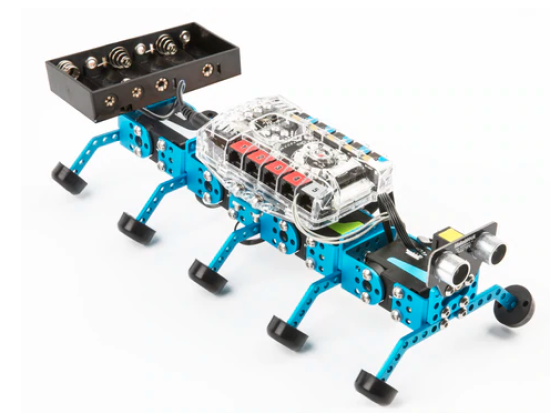
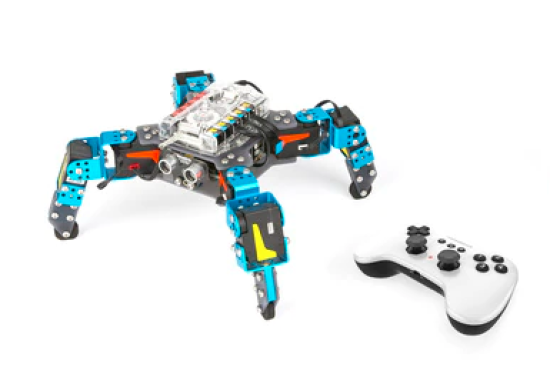
Quadruped or hexapod robots
Camera pan-tilt systems
Automated opening/closing mechanisms
Easy multi-servo control
Precise and stable motion control
Simplifies overall system wiring and programming